In striving for results and measuring the degree to which objectives are achieved, managers often fixate on effectiveness – doing the right thing – and pay less attention to efficiency – doing things right.
This may lead to a lack of attention to solving problems or introducing improvements and the tendency to think of that well worn adage – “If it isn’t broke, don’t fix it”
But managers are required to “fix it” – to ensure operational and strategic problems are solved. Generating solutions require creative problem solving and the encouragement of creativity in themselves and their teams – to develop the ability to go beyond the obvious daily habit and routine.
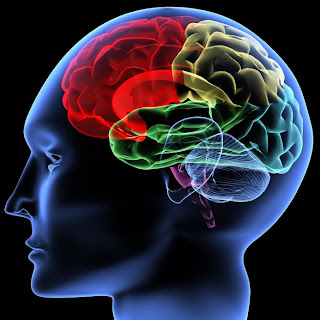 |
| Creative Problem Solving |
In his book
“Applied Imagination” Alex Osborn said:
“Creative problem solving defers judgment on a right answer. Instead, the process evaluates many possible answers, seeking patterns and relationships that might suggest solutions we wouldn’t otherwise see”.
Naturally not all solutions and suggestions require innovation or unique ideas. However, developing the capacity to extend the style of thinking and problem solving provides the opportunity for creative solution generation.
It’s crucial to understand – and help the team understand - that creativity is:
- An ability – creativity is often suppressed but everyone has the ability to imagine or invent something new and to generate solutions by combining, changing, or reapplying existing ideas
- An attitude – creativity is grown by overcoming socialised norms, accepting change and newness, being willing to play with ideas and possibilities and the habit of enjoying the good, while looking for ways to improve it
- A process – creativity requires hard work to suggest ideas and solutions. Creative people make gradual alterations and refinements – few works of creative excellence are produced with a single stroke of brilliance
It’s worth remembering that people tend to generate their creative resources in two environments:
- In stressful situations
- When feeling uninhibited
The manager has massive impact on the emotional temperature of the team and the environment in which it works, and must ensure that this is free of inhibitions and:
- Eradicates the “What will people think?” mentality which encourages conformation (promoting the notion that to deviate from ‘norms’ is wrong) but increases the toying with the “What if?”
- Eliminates limiting thinking about ability. People often defer to ‘experts’ to create solutions – “I can't do it”, or “There’s nothing I can do”. History, though, is replete with examples of solution generation from the unlikeliest of sources – and a good mind with a positive attitude will go far in producing creative solutions
- Abolishes the “I might fail” syndrome – the reluctance to risk that is caused by the societal view of failure and results in people being afraid to experiment. Fear of failure is one of the major obstacles to creativity. The cure is to change attitudes. Controlled failures should be expected and accepted – they are simply learning tools that help focus the way toward success
- Deals with overcertainty – the reaction of “It can't be done” gives the situation or problem power; giving up before starting is self fulfilling. Prejudice caused by preconceived ideas often prevents clear sight beyond what is already known or believed to be possible.
When this environment is in place, managers should develop creative methodology with the team – techniques that can help define situations or problems, explore their attributes, generate alternatives and evaluate and implement ideas. These tools include:
- Ishikawa (or Fishbone) – an analysis tool that provides a systematic way of looking at effects and the causes that create or contribute to those effects. This tool will assist the team identify and categorize the many potential root causes of problems or issues in an orderly way
- “5 Whys” – a simple process of articulating the current situation and asking “Why the situation or problem happens”. If the answer provided doesn't identify the root cause of the problem, the question is repeated and there is a loop back to the previous step until the team is in agreement that the problem's root cause is identified
- De Bono’s Six Thinking Hats – this industry standard team discussion and individual thinking tool provides a means for teams to plan thinking processes in a detailed and cohesive way, and in doing so to think together more effectively. Looking at a situation with this technique helps to create solutions using all approaches.
So, should managers be creative and innovative, encouraging the team to do likewise?
The harmony of effectiveness and efficiency requires it.
Find out more about Creative Problem Solving Training Courses Available in London.
Written by
David Mathieson, a learning consultant at Capita Learning & Development.


